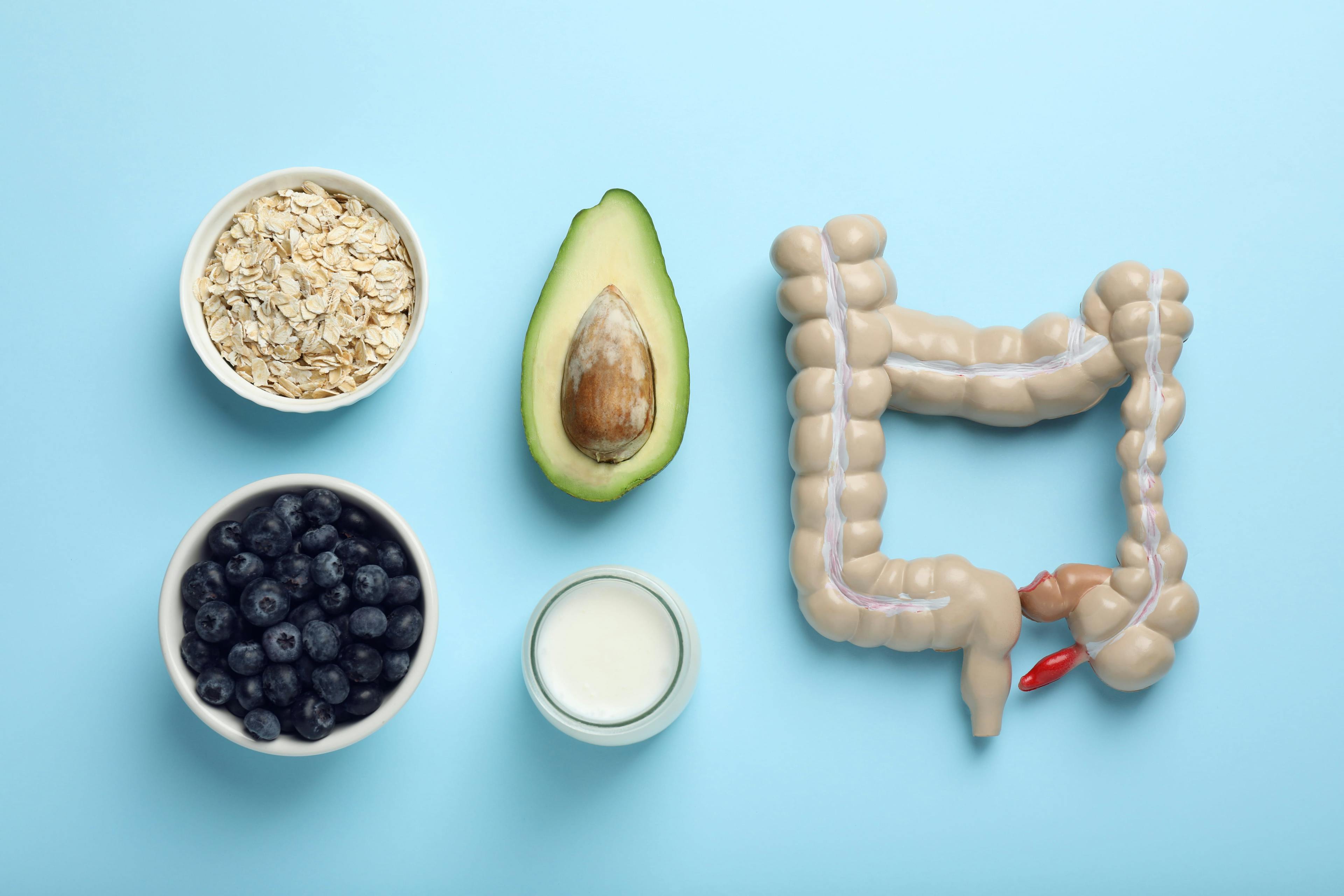
Understanding the Foundations of Gut Health

Understanding the Foundations of Gut Health

By Moshy
5 min read

Gut Health Isn’t About Detoxes. It’s About Daily Foundations

Gut health has become one of the most talked-about topics in nutrition, and it can quickly start to feel overwhelming.

Between detox trends, restrictive diets, and endless supplement advice, it’s easy to think you need to do something extreme to support your gut.

Kirby Sorenson, Moshy’s Lead Dietitian, explains:

“70% of the immune system exists in the gut. Our gut health impacts not only physical and psychological wellbeing but also our immune system.”

That is why gut health matters far beyond bloating or discomfort.

What does “good gut health” actually mean?

Gut health refers to the balance and diversity of bacteria living in your digestive tract, also known as your gut microbiome.

A healthy gut microbiome helps your body:

  • digest food efficiently
  • absorb nutrients properly
  • support immune function
  • protect against harmful pathogens
  • influence mood and mental clarity through the gut-brain axis

Gut health is about more than avoiding digestive symptoms. Research continues to show it plays a role in whole-body wellbeing, including stress levels, sleep quality, inflammation, and energy.


The gut-brain connection (and why it matters)

One reason gut health has gained so much attention is because of the gut-brain axis.

Your gut and brain are in constant communication through nerves, hormones, and immune pathways.

The microbes in your gut also produce compounds that influence mood and mental wellbeing, including neurotransmitters like serotonin.

This means that stress can affect digestion, and digestion can affect how you feel emotionally.

Supporting your gut is not just about food. It is about supporting your whole system.


The 3 foundations of gut health

Gut health does not require perfection or extreme diets.

The most effective approach is keeping things simple and consistently aiming to incorporate a wider variety of gut-friendly foods.

1. Eat a wider variety of plant foods

One of the strongest predictors of a healthy microbiome is dietary diversity.

Aim to include a wide range of plant-based foods across the week, such as:

  • vegetables
  • fruit
  • legumes
  • whole grains
  • nuts and seeds
  • herbs and spices

Studies have shown that people who eat 30 or more different plant foods per week tend to have a more robust gut microbiome than those who eat far fewer.

This does not need to be complicated.

Adding an extra vegetable at dinner, changing your breakfast toppings, or rotating herbs and spices all counts.

2. Prioritise fibre, gradually and consistently

Fibre plays a key role in gut health because it feeds beneficial gut bacteria and supports regular bowel movements.

Fibre-rich staples include:

  • oats
  • lentils and chickpeas
  • berries and apples
  • leafy greens
  • chia and flaxseed

If you are increasing fibre, it is best to do so slowly and drink enough water alongside it.

As a general guide, most females should aim for around 25g of fibre per day, and most males for around 30g per day.

3. Gut health beyond food

When we think about gut health, food often gets most of the attention. But your digestive system is influenced by much more than what’s on your plate.

Lifestyle factors like sleep, stress, movement, and daily habits all play an important role in supporting a healthy gut and even small changes can make a meaningful difference over time.

The 4 Key factors of gut health beyond food:

Hydration** Drinking enough water is essential for healthy digestion. Hydration helps keep things moving through the digestive tract and supports regular bowel function.

Sleep quality Gut health and sleep are closely connected through the gut–brain axis. It’s not just about how long you sleep, but how restorative it is. Aim for around 7–8 hours of quality sleep each night to support both digestion and overall wellbeing.

Movement Regular physical activity can help stimulate digestion, improve blood flow, and support healthy bowel movements. Even gentle movement, like a daily walk, can have significant benefits; especially after meals.

Stress management Chronic stress can disrupt digestion and impact the balance of bacteria in the gut. Calming practices such as mindfulness, deep breathing, or simply slowing down at mealtimes can help.

Eating habits Gut health isn’t only about what you eat, but how you eat. Eating too quickly or while distracted can contribute to bloating or discomfort. Taking time to chew well and eat mindfully can support smoother digestion.

Medication and other disruptors Some medications, including antibiotics, can temporarily affect the gut microbiome. Alcohol can also irritate the digestive system and disrupt gut bacteria, particularly when consumed in excess.

If you notice changes in your digestion after starting a medication, it’s always a good idea to speak with a healthcare professional.

Do you need supplements for gut health?

No. Many people can improve gut health significantly through dietary changes alone.

Probiotic or prebiotic supplements may be helpful in certain situations, but they are not a cure-all and should be used under professional guidance.

A balanced diet remains the foundation.


The takeaway: Gut health is built through simple choices

Gut health is not about detoxing or restriction.

It is built through consistent habits like:

  • eating more plant variety
  • prioritising fibre
  • staying hydrated
  • supporting sleep and stress levels
  • making changes that are sustainable long-term

For eligible patients, Moshy also provides additional gut health nutrition support in-app, including a structured 7-day plan.

If you would like personalised support, you can book a consultation with a Moshy Accredited Practising Dietitian today.


Book a consultation with a Moshy Accredited Practising Dietitian

Table of contents