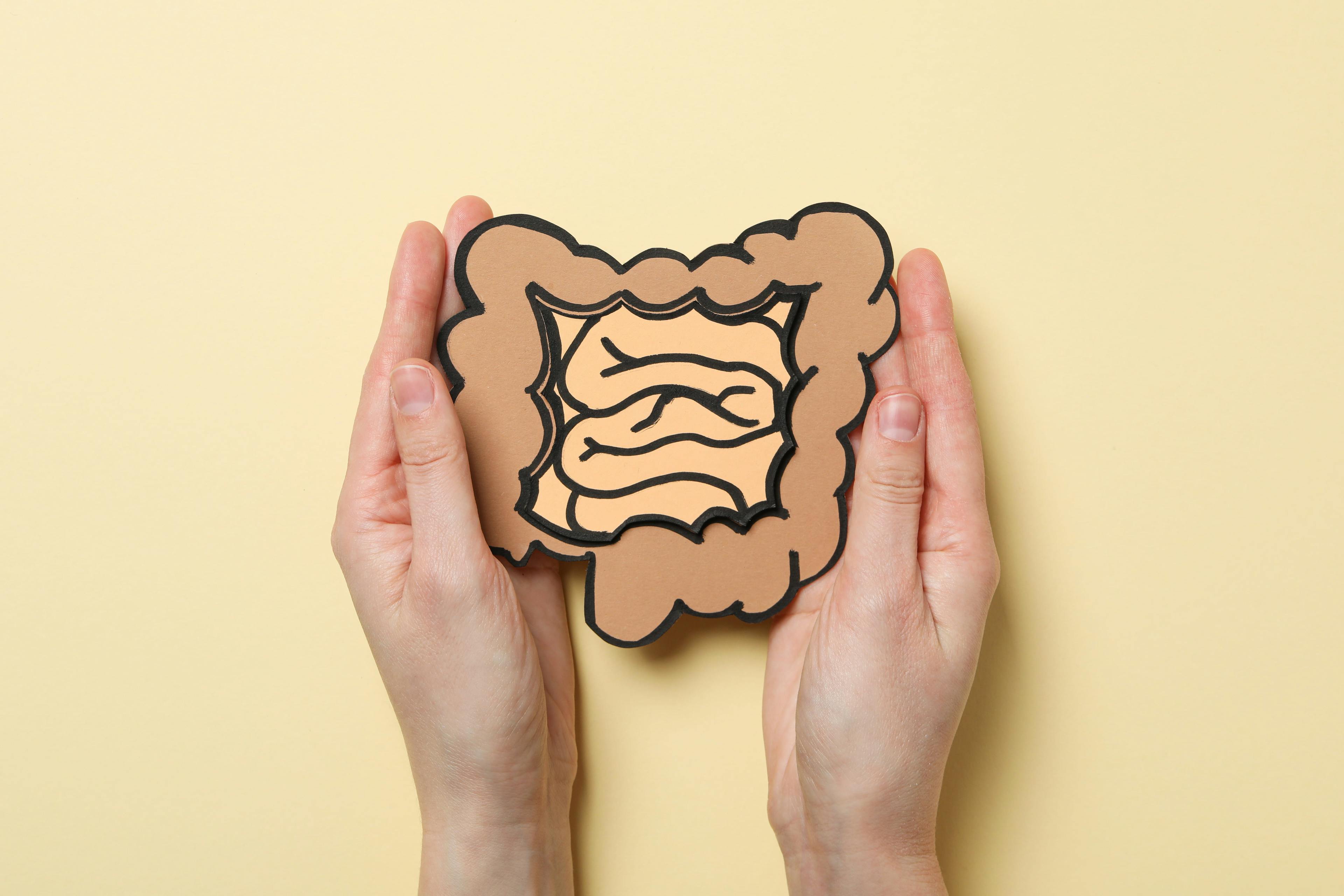

Gut Health - Here’s What Actually Matters.
If you have ever searched “gut health” online, you have probably come across a lot of conflicting advice.
Some sources promote detoxes. Others suggest cutting out carbs, avoiding gluten, or relying heavily on supplements.
The truth is, gut health is often overcomplicated.
We sat down with Moshy Lead Dietitian, Kirby Sorenson, to get the facts. Kirby openly shares her evidence-based, practical, and sustainable advice to help you leave the diet fads and fiction behind.
Here are some of the most common gut health misconceptions that are worth clearing up.
Do you really need a detox to cleanse your gut?
Detoxes are one of the biggest gut health myths.
Your body already has natural detox systems in place. Your liver and kidneys work continuously to filter waste and support healthy digestion.
Rather than drastic cleanses, the most effective support comes from simple foundations like:
- fibre-rich foods
- hydration
- regular balanced meals
Extreme detox approaches are rarely sustainable, often unnecessary and can actually cause more issues to the gut.
Are all bacteria bad for your gut?
Not all bacteria are bad.
In fact, your gut is home to trillions of beneficial microbes that help:
- digest food
- produce essential nutrients
- support immune defences
- protect against harmful pathogens
Gut health is about maintaining a diverse and balanced microbiome, not eliminating bacteria.
Will probiotics alone fix gut issues?
Probiotics can be useful, but they are not a standalone solution.
For probiotics to work effectively, they need the right environment to thrive.
That is where prebiotic foods come in, particularly fibre-rich plant foods that nourish beneficial gut bacteria.
Supplements may help some people in specific situations, but food-first strategies remain the foundation.
Should you avoid carbs for a healthy gut?
Carbohydrates are not automatically harmful for gut health.
Complex carbohydrates such as whole grains and legumes provide fibre that supports beneficial gut bacteria and overall digestive function.
The key is focusing on whole, minimally processed carbohydrates rather than refined sugars and ultra-processed foods.
If you don’t have symptoms, is your gut automatically healthy?
Gut health is about more than digestion alone.
Microbiome imbalances have been linked to other areas of health, including:
- mood and mental wellbeing
- immune function
- skin inflammation
- fatigue
Supporting gut health benefits the whole body, even if digestive symptoms are not obvious.
Are gluten-free diets better for gut health?
Unless you have coeliac disease or a diagnosed gluten sensitivity, going gluten-free is not automatically better for gut health.
Whole grains containing gluten can provide valuable prebiotic fibre, which supports a healthy microbiome.
Unnecessary restriction can also reduce dietary variety, which is one of the strongest drivers of gut health.
Is bone broth essential for gut health?
Bone broth has become popular, but it is not a requirement for gut health.
Many plant-based foods provide gut-supportive nutrients and fibre without relying on one trendy ingredient.
Gut health is built through overall dietary patterns, not single foods.
Do supplements or green powders fix gut health?
Kirby also wants to clear up two common beliefs that often come up in gut health conversations.
MYTH: Supplements will fix your gut health.
- Kirby shares that supplements are not a quick fix option, and most people do not need them to have a healthy gut. For long-term gut health, consistent habits like eating a variety of fibre-rich foods matter far more than relying on a pill or powder.
MYTH: Green powders are the answer for a healthy gut.
- Kirby explains that while greens powders may seem convenient, they are not the answer for a healthy gut, and are not a substitute for real plant foods. Whole vegetables, fruits, legumes, and grains provide the fibre and diversity your gut microbiome needs to thrive.
A simple gut health message to remember
Gut health does not need to feel confusing or extreme.
The most sustainable approach comes back to consistent foundations:
- eat a variety of plant foods
- aim for fibre daily
- stay hydrated
- prioritise sleep and stress support
- focus on habits you can maintain long-term
Small, realistic changes make the biggest difference over time.
Want personalised guidance?
If you are unsure where to start, or if symptoms are ongoing, you can book a consultation with a Moshy Accredited Practising Dietitian today.
For eligible patients, Moshy also provides additional gut health nutrition support in-app, including a structured 7-day plan.